Brain Science
Beta vs Alpha Brainwaves made simpler for explanation
Focus doesn't shift randomly. Different mental states are linked to different brainwave patterns. Understand the difference between beta and alpha — and how they shape how you think, focus, and feel.

Most people think focus comes and goes without a clear reason. One moment you're working smoothly. The next, your attention drifts. You try to push through, but it feels harder than it should. On other days, everything feels calm, clear, and effortless. It feels inconsistent. But these shifts are not random.
They're driven by changes in how your brain is functioning at that moment. Different mental states, like deep focus or relaxed clarity, are linked to different patterns of brain activity. Without visibility, these changes feel unpredictable. Brands like Basil Health approach this by using EEG to track these patterns in real time, helping you understand what state your brain is actually in.The question then becomes: what are these patterns?
What are beta and alpha brainwaves?
Your brain is constantly producing electrical signals. These signals form patterns, commonly referred to as brainwaves. Two of the most important ones for daily performance are beta and alpha brainwaves.
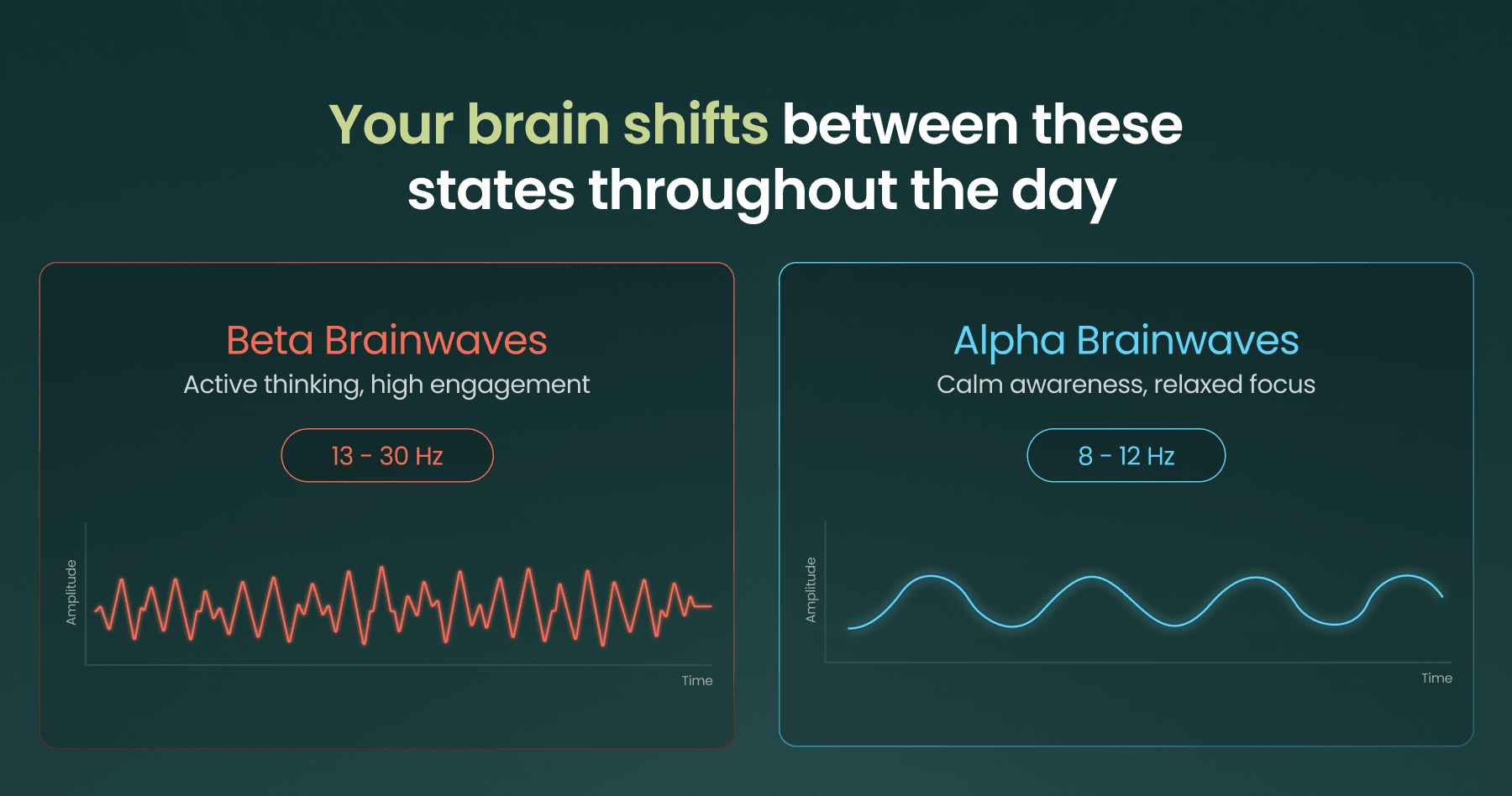
- Beta brainwaves are associated with active thinking, problem-solving, and focus
- Alpha brainwaves are linked to calmness, relaxation, and mental clarity
You're not in just one state all the time. Your brain shifts between these patterns depending on what you're doing. When you're deeply engaged in a task, beta activity is more dominant. When you're relaxed but still aware, alpha activity becomes more prominent. The balance between these two states plays a big role in how you think, feel, and perform.
Yes, both the states are equally important!
It's easy to assume one state is better than the other. That's not true. Beta is essential when you need to focus, analyze, or make decisions. But staying in high beta for too long can lead to mental fatigue and stress. Alpha, on the other hand, supports calm thinking, creativity, and recovery. But too much alpha can make you feel slow or unfocused.
The goal is not to stay in one state. It's to shift between them effectively. This is where most people struggle. They either:
- stay overstimulated and mentally tired
- or feel relaxed but unable to focus when needed
Why you can't tell which state you're in
Most people try to identify their state based on how they feel. But that's not always reliable.
High beta can feel like:
- Productivity
- stress
Alpha can feel like:
- calm clarity
- low motivation
The difference is subtle, and perception can be misleading. This is where EEG-based systems like ours become useful. By tracking brain activity patterns, they help you distinguish between these states more clearly; so, you're not just guessing whether you're focused, fatigued, or relaxed.
How beta and alpha look in brain activity?
Understanding the concept is helpful. Seeing the difference makes it clearer.
Why this changes how you approach focus
Most people try to improve focus by pushing harder. But focus is not just about effort. It's about being in the right state. If your brain is stuck in high beta, pushing more can increase stress. If your brain is in alpha, forcing focus may not work immediately.
With our products, you can start seeing which state you're in and adjust accordingly, whether that means calming down, resetting, or re-engaging. That makes your approach more precise.
The takeaway
Beta and alpha brainwaves are not abstract concepts. They are patterns that shape how you think, focus, and feel. The challenge is that you experience these states without clearly knowing which one you're in. Once you can see the difference, the confusion starts to reduce. You stop guessing. You start understanding. And that's where improvement begins.
Frequently Asked Questions
1. What is the difference between beta and alpha brainwaves?
Beta brainwaves are linked to active thinking and focus, while alpha brainwaves are associated with calmness and relaxed awareness.
2. Is alpha better than beta?
No. Both are important. Beta supports focus and problem-solving, while alpha supports relaxation and recovery.